How much does it cost to replace siding on a house in Allen, TX?
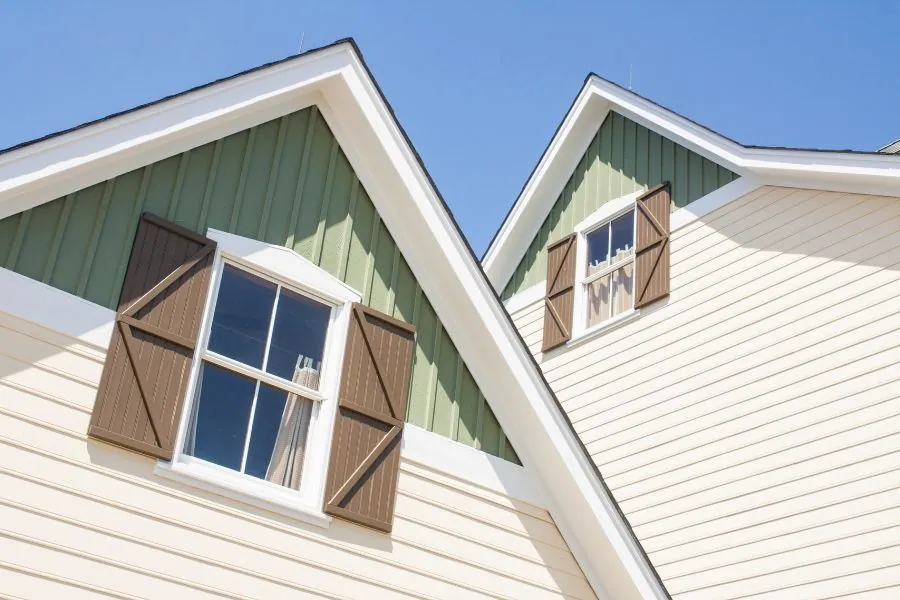
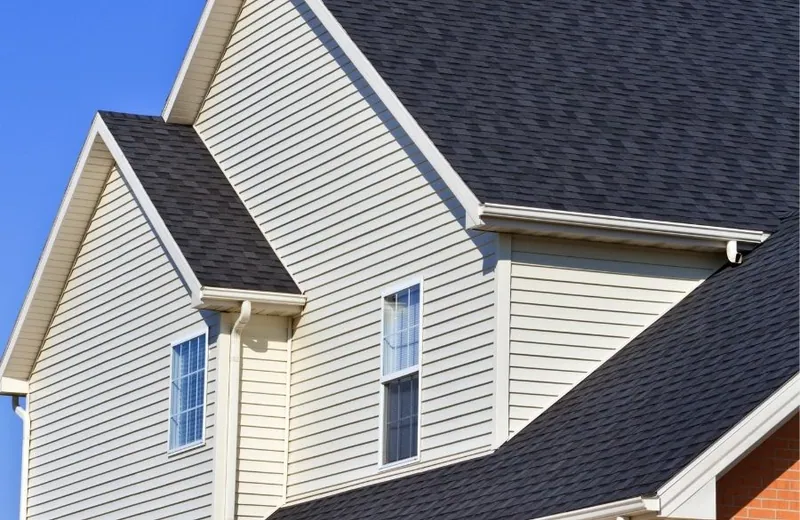
Most Allen siding replacements fall between about $13,000 and $26,000 for a typical brick-front, two-story home where siding covers the gables, second-story walls and rear. Small hail repairs often run $900 to $3,500, while full James Hardie exteriors on large custom homes in Lucas or Parker can reach $32,000 to $65,000 or more. The biggest variables are material, actual sided square footage, height and access, and how much rotted sheathing turns up once old boards come off. We give you a written scope after inspecting the home, and financing is available.
How long does a siding project take?
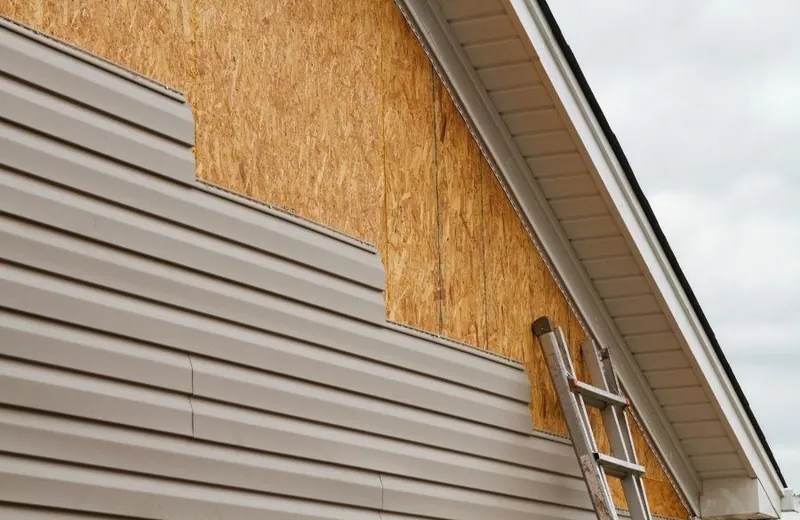
Small repairs usually take one to three days. A full replacement on a typical Allen home generally takes one to three weeks of on-site work, depending on size, height, weather and how much hidden rot we find. Before that, plan on one to four weeks for permits, HOA architectural approval and material ordering. Spring storm season can slow scheduling across Collin County, so it helps to start early. We clean the yard every workday, so your home stays livable throughout the project.
Do I need a permit to replace siding in Allen?
In most cases, yes. Allen, Plano, Frisco, McKinney and Richardson generally require a building permit for siding replacement beyond minor repairs, though some cities exempt small like-for-like patches. Rules and fees vary by city, and local building codes based on the International Residential Code set requirements for house wrap, flashing and wind-load fastening. Some cities also have masonry ordinances that limit replacing brick with siding. We check your city's requirements and pull permits where needed, so you don't have to work through the paperwork alone.
Will my HOA approve new siding or a color change?
Usually, if you submit the right materials and colors. Most HOAs in Allen, Murphy, Plano, Frisco and Prosper, including communities like Twin Creeks, Star Creek and Starwood, require architectural review before siding material or color changes. Many have approved paint palettes. Fiber cement like James Hardie is widely accepted because it looks like the original builder siding. We help you choose options that are easy to approve and provide the product details review committees typically ask for. Wait for written approval before work starts to avoid violation letters.
Will homeowners insurance cover hail damage to my siding?
Often, yes. Hail-damaged siding is commonly covered under homeowner policies, but coverage depends on your policy, deductible and filing deadlines. We document damage with photos and a written scope you can share with your adjuster. Two things to know: Texas law bars contractors from waiving or rebating your deductible, and only TDI-licensed public adjusters can negotiate your claim for you. Be cautious of anyone who promises a free roof or siding job. If a storm just hit your neighborhood, get an inspection soon so you don't miss your claim window.
Is James Hardie better than vinyl siding for North Texas?
For most Allen homes, yes. Fiber cement like James Hardie resists hail impact much better than vinyl, doesn't warp in 100°F heat or under reflected window glare, and won't rot or attract woodpeckers. It also matches the siding already on most Collin County homes built since the late 1990s, which makes HOA approval easier. Vinyl costs less up front and still works for soffits, sheds and budget projects, but it can crack in large hail and oil-can on sunny walls. We'll walk you through the trade-offs honestly.
How can I make my siding last longer in Allen's climate?
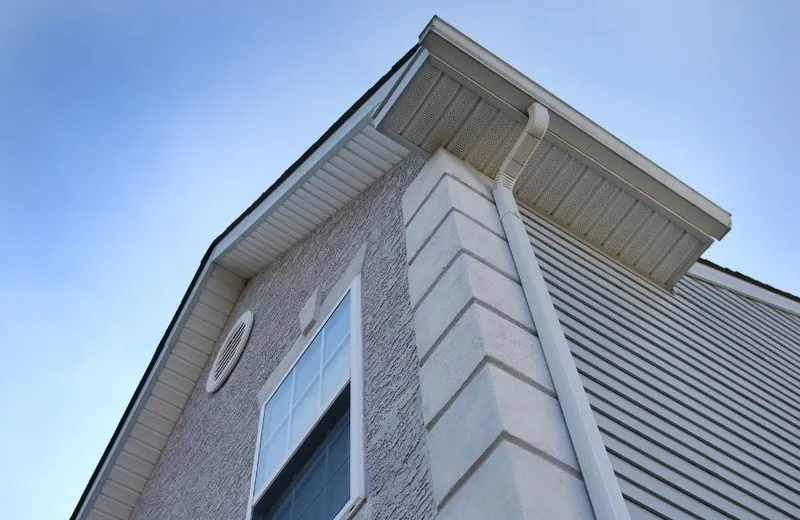
Start with water. Adjust sprinkler heads so they don't spray the walls, keep mulch and soil at least several inches below the bottom course, and clean gutters so they don't overflow onto siding. Check caulk at windows, trim and brick-to-siding joints every spring, since heat and clay soil movement crack sealants quickly. Repaint fiber cement or wood when it starts chalking, usually earlier on south and west walls. After any hailstorm, have the gables and corners checked, because cracked edges let water in long before you notice.
When should I repair siding instead of waiting?
Act right away if panels are missing or sheathing is exposed after a storm, since rain gets into the wall immediately. Schedule an inspection soon if you see soft or swollen boards, holes from woodpeckers, gaps at brick transitions, interior water stains, or hail cracks, especially if you might file an insurance claim. Waiting through another spring storm season or summer of sprinkler spray usually turns a few-board repair into sheathing replacement. If you're selling, fix visible siding issues before listing so inspection reports don't stall your sale.